Key Takeaways
- Discrete event simulation reveals real system behaviour under variability
- Linking simulation to techno‑economic analysis enables better investment decisions
- Resilience is about targeted design, not excessive redundancy
In an increasingly uncertain operating environment, organisations can no longer rely on static assumptions or “average case” planning. Whether managing supply chains, energy systems, logistics networks or industrial operations, leaders need to understand how systems behave under stress, how resilient they are to disruption, and what the financial consequences of different choices really are.
This is where advanced simulation, combined with techno‑economic analysis, becomes a powerful strategic capability.
At Andymus Consulting, we use simulation to help organisations move beyond intuition and spreadsheets – enabling evidence‑based decisions that explicitly link operational behaviour to commercial outcomes. Please Contact Andymus Consulting to discuss how we may be able to assist with your needs in this area.
Why Simulation Is Essential for System Resilience
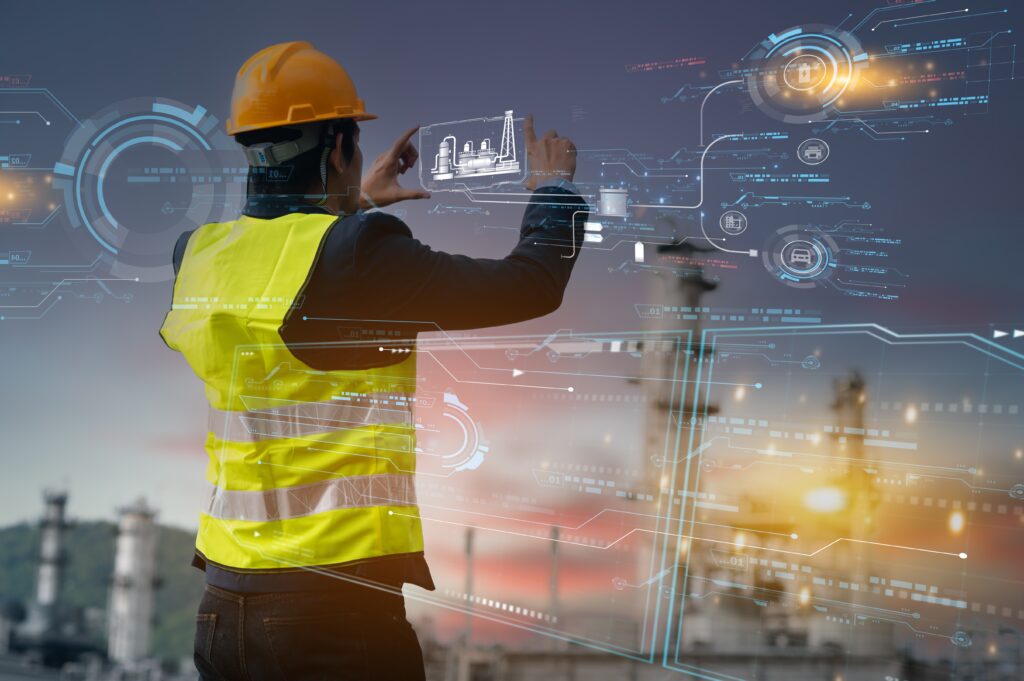
Many operational and investment decisions are still supported by deterministic models or point‑in‑time financial analysis. While useful at a high level, these approaches often fail to capture:
- Variability in demand, supply, and processing rates
- Interdependencies between assets, infrastructure, and logistics
- Bottlenecks that only emerge under specific conditions
- The true impact of disruption, geopolitical risk, or renewable variability
The result is often systems that look robust in planning, but prove fragile in reality.
Simulation allows organisations to explore how systems perform over time, across thousands of scenarios – before capital is committed or operating models are locked in.
Discrete Event Simulation for Complex Operational Systems
A core capability at Andymus Consulting is Discrete Event Simulation (DES).
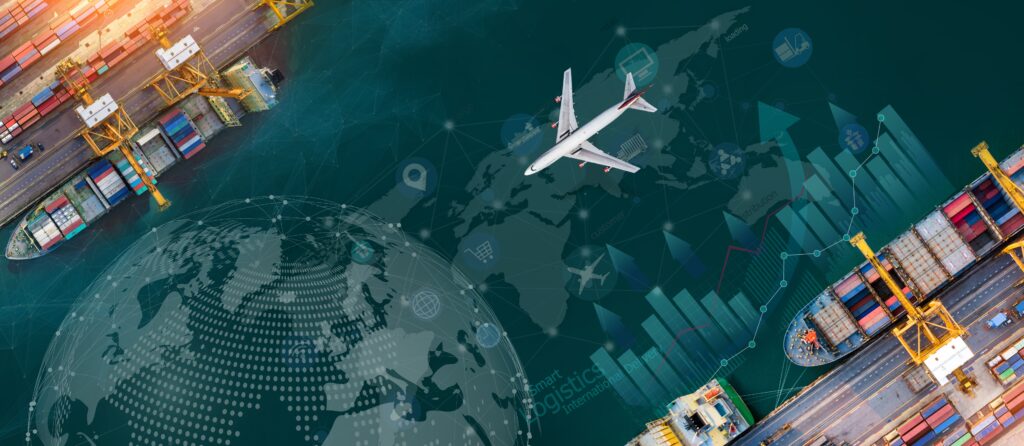
DES models a system as a sequence of events – such as arrivals, processing, failures, repairs, storage, blending, and dispatch – allowing complex operations to be represented realistically. This approach is particularly valuable where timing, queues, utilisation and constraints matter.
We have applied DES across a wide range of asset‑intensive and networked systems.
Managing Geopolitical Risk in Energy Supply Chains
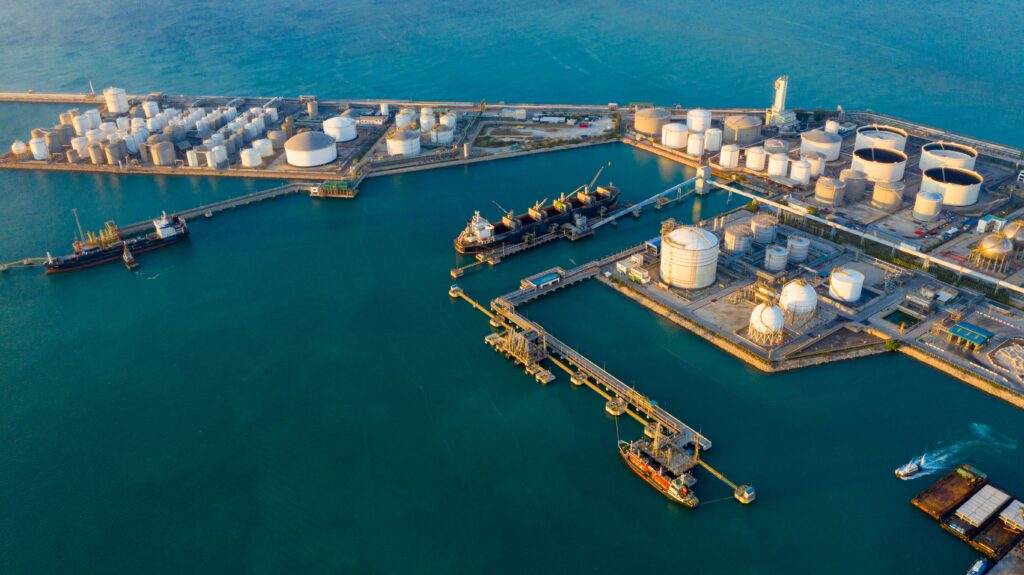
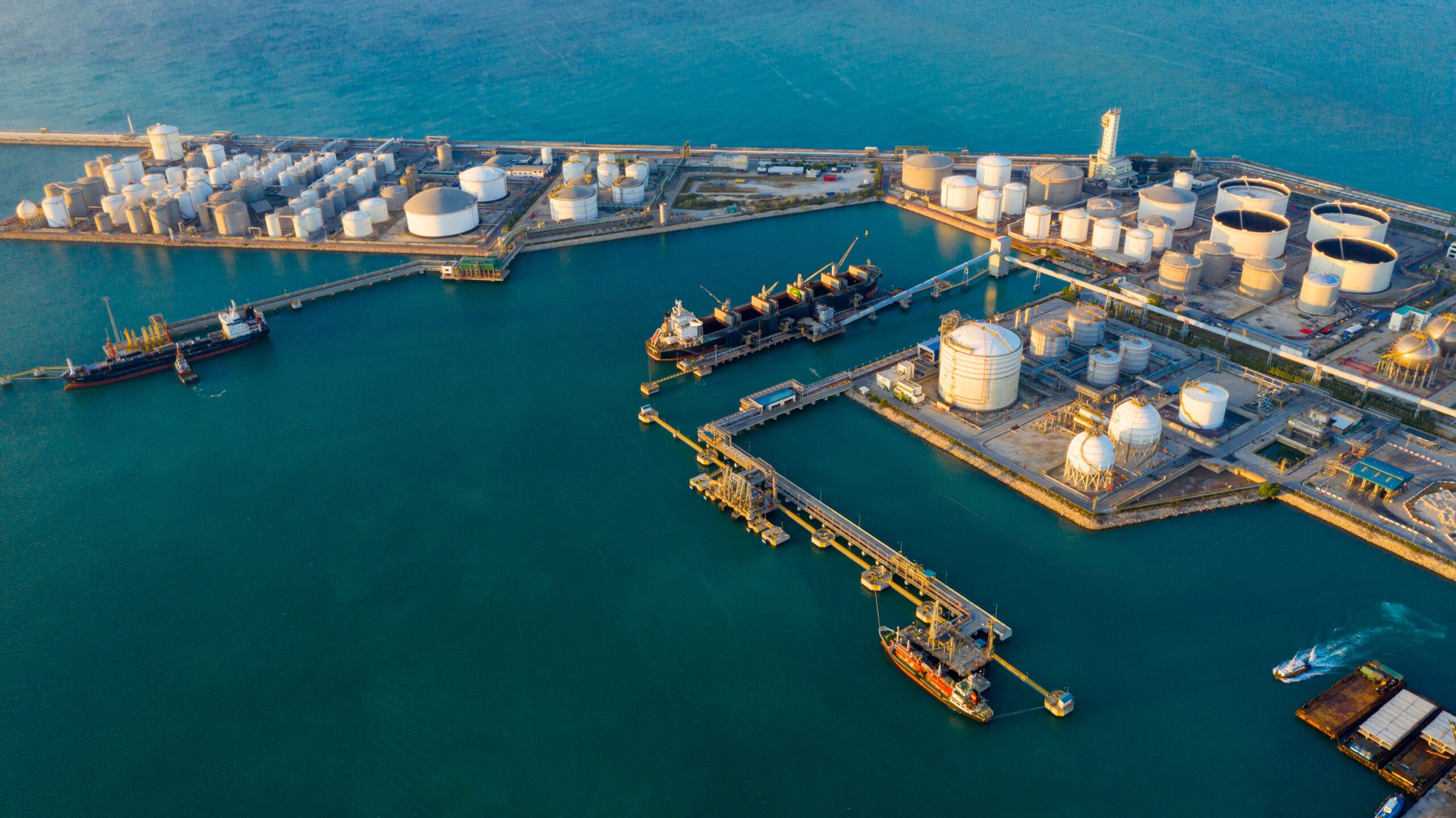
Several years ago, we performed simulation work examining crude oil pipeline movements designed to avoid reliance on the Strait of Hormuz, in response to geopolitical risk associated with potential disruption to shipping through the region.
The simulation explored alternative pipeline routing, capacity constraints, throughput variability and utilisation under different disruption scenarios. Importantly, the work linked operational outcomes to economic exposure and system resilience, allowing decision‑makers to understand the value of diversification and redundancy.
Those pipelines have since been constructed and are now actively used – reinforcing the importance of forward‑looking, risk‑informed system modelling.
Hydrogen Value Chain Modelling Under Renewable Variability
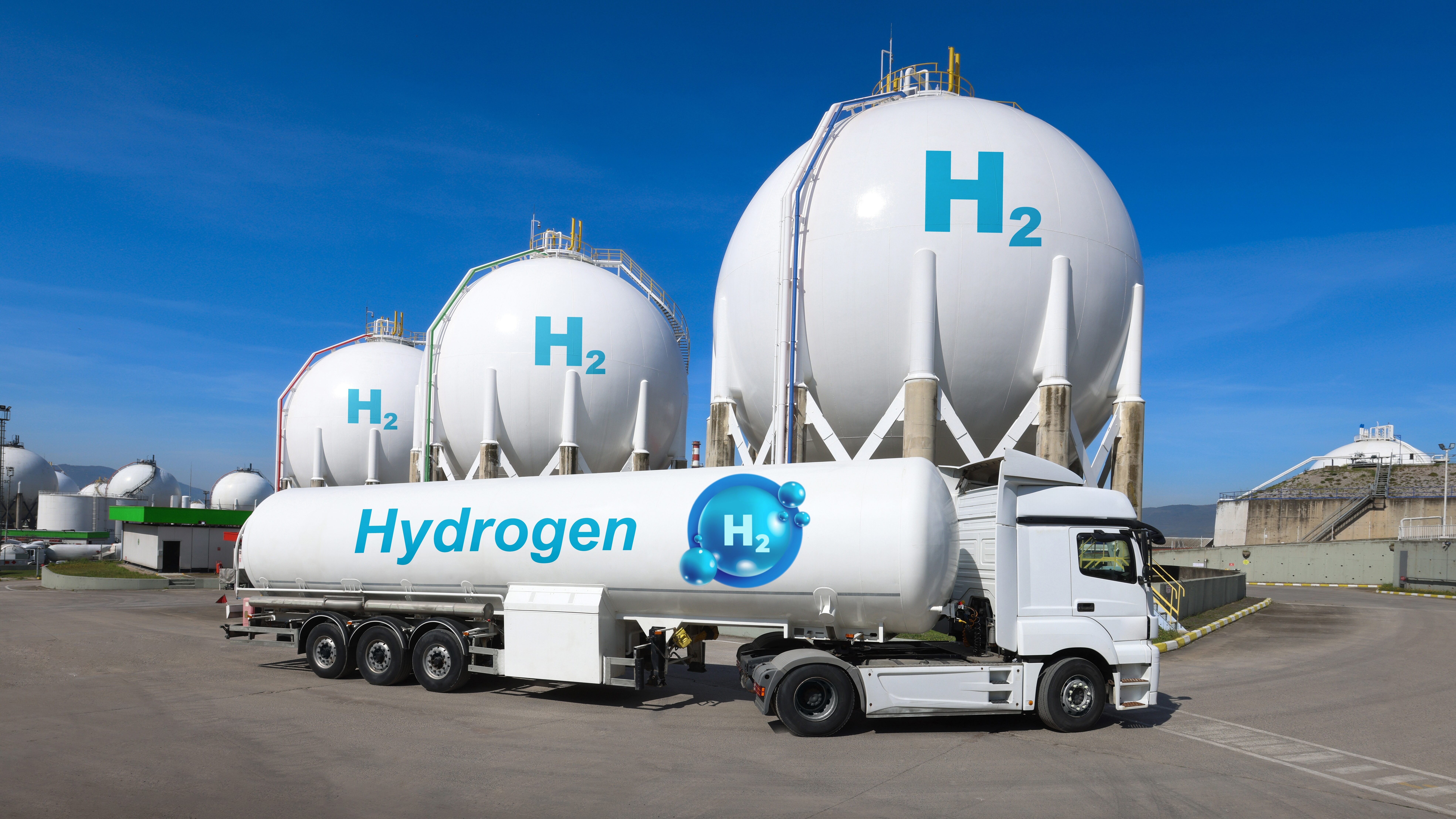
In the energy transition space, Andymus Consulting has developed end‑to‑end hydrogen value chain simulations to understand optimal system sizing and configuration.
A key challenge in hydrogen production is the variability of renewable energy sources, particularly wind and solar. This variability directly affects:
- Electrolyser utilisation
- Storage requirements
- Capital efficiency
- Unit cost of hydrogen production
Using discrete event simulation, we modelled the full value chain – from renewable generation through to hydrogen production, storage and offtake – capturing the dynamic interaction between energy availability and process utilisation.
By linking the simulation outputs to techno‑economic analysis, we were able to quantify how different design choices impacted both resilience and economics, supporting more informed investment and policy decisions.
Mining and Minerals Logistics Simulation at Scale
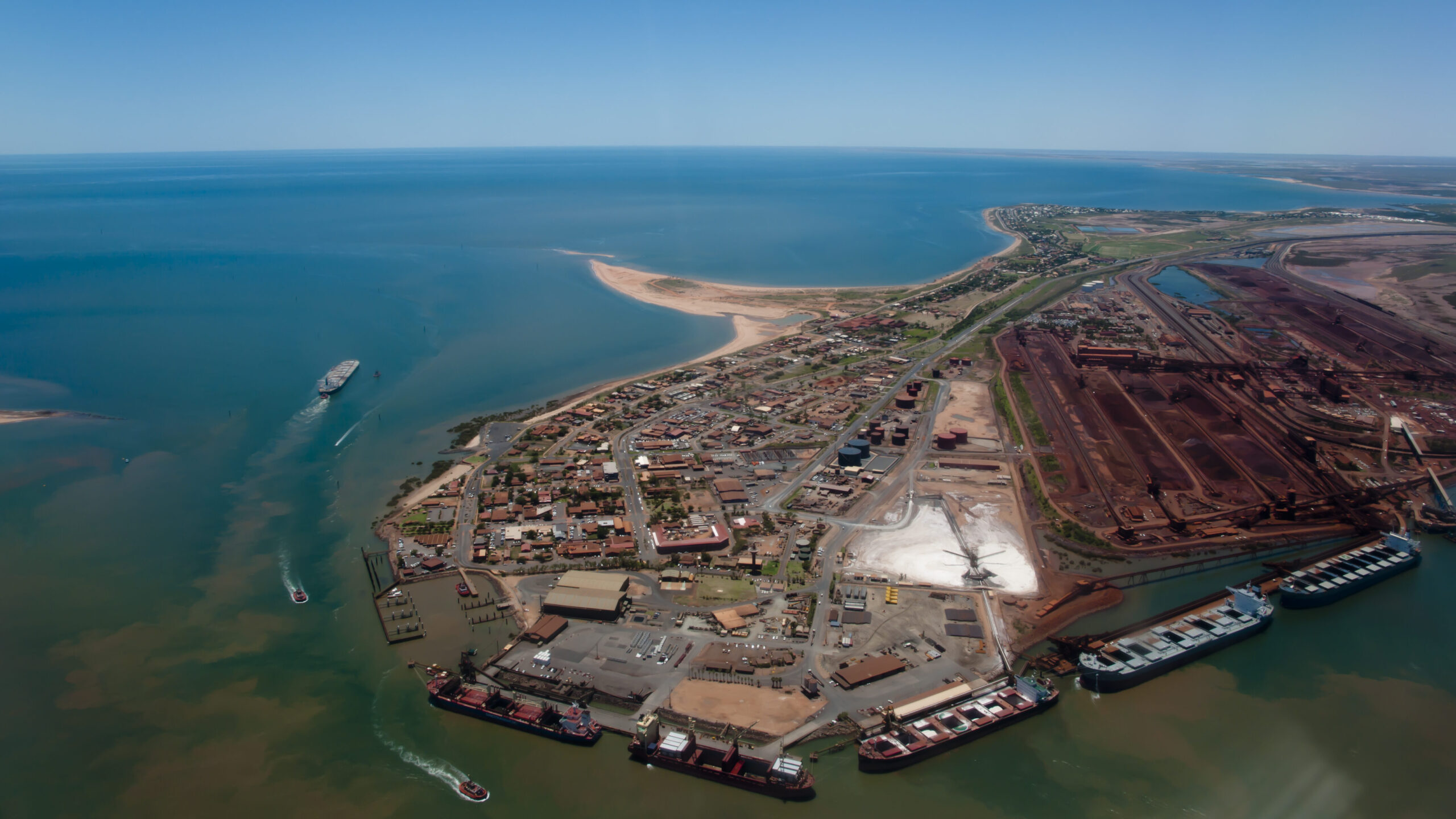
In mining and minerals processing, material transport can extend for hundreds of kilometres and involve multiple transport modes – including trucks, conveyors, rail and shipping – often combined with blending strategies to achieve target grades.
Simulation has been used to examine systems where:
- Multiple transport modes interact
- Bottlenecks shift depending on operating conditions
- Blending strategies affect both throughput and product value
- High‑value products must be prioritised or segmented
DES enables these systems to be analysed holistically, revealing constraints and trade‑offs that are not visible when each component is considered in isolation.
When combined with techno‑economic analysis, organisations can assess not just what works operationally, but what creates the most value, and where investment delivers the greatest return.
Linking Simulation to Techno‑Economic Analysis

Operational insight alone is not enough. The real value comes when simulation outputs are directly connected to financial outcomes.
At Andymus Consulting, we integrate simulation with techno‑economic analysis to examine:
- Capital expenditure versus system resilience trade‑offs
- Cost of congestion, downtime or under‑utilisation
- Sensitivity of project economics to variability and disruption
- Return on investment for redundancy, storage, or capacity expansion
This approach moves organisations away from single‑point business cases toward risk‑aware, scenario‑based decision‑making.
Designing Resilient Systems Without Over‑Engineering
Resilience is not simply about adding more capacity. In many systems, small, well‑targeted changes deliver disproportionate benefits.
Simulation allows organisations to identify:
- Where resilience investments matter most
- Where additional spend delivers diminishing returns
- How systems degrade before failure occurs
- Which risks are best mitigated, transferred, or accepted
This supports deliberate system design – rather than reactive fixes after problems emerge.
Simulation‑Based Decision Making for Executives and Boards
Modern industrial and infrastructure systems are complex by nature. Simulation allows that complexity to be embraced, rather than simplified away – while still providing clear, decision‑ready insight for executives and boards.
At Andymus Consulting, we specialise in translating complex engineering, logistics and energy systems into models that support confident strategic decisions, aligned with commercial reality. Please contact us to discuss any requirements that you would like to discuss with us.
Comments are closed